


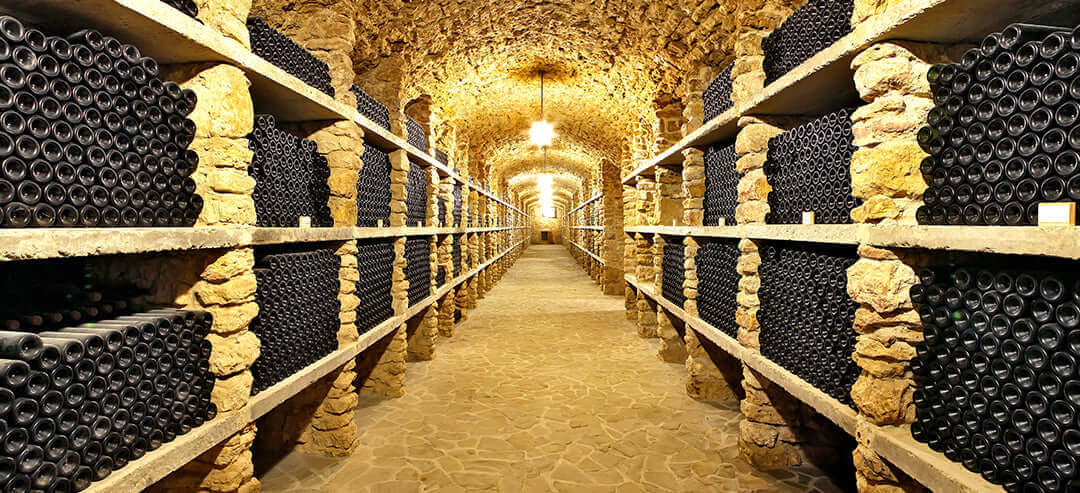
Einrichtung eines privaten Weinkellers: Die praktische Checkliste
Ein Weinkeller ist vier Zahlen und eine Gewohnheit. Bekommst du die Zahlen richtig hin — Temperatur, Luftfeuchtigkeit, Licht, Vibration — und behältst die Gewohnheit bei, aufzuzeichnen, was rein- und rausgeht, wird dein Wein deine Geduld überdauern. Hier ist die Checkliste, die wir verwenden, wenn wir Keller für Kunden einrichten.
Die vier Zahlen
- 12–14°C, konstant. Konstanz schlägt Präzision: ein gleichmäßiger Keller bei 15°C ist besser als einer, der mit den Jahreszeiten zwischen 10–20°C schwankt. Hitze beschleunigt die Reifung; Schwankungen zerstören sie.
- 60–75% Luftfeuchtigkeit. Zu trocken und Korken schrumpfen; zu feucht und Etiketten verschimmeln (der Wein überlebt, sein Wiederverkaufswert nicht).
- Dunkelheit. UV zerstört Wein — besonders Champagne in klarem Glas. Keine Fenster, keine Leuchtstoffröhren.
- Ruhe. Keine Waschmaschinen, keine Kompressoren, die in die Regale rasseln, keine Verkehrsvibration.
Die Optionen-Leiter
Weinkühler (bis zu ~150 Flaschen). Der ehrliche Anfängerkeller. Kaufe dual-zone, kaufe größer als du denkst, stelle ihn weit weg vom Ofen.
Umgebauter Raum (150–1.500 Flaschen). Eine Kellerecke, ein Raum unter der Treppe, ein nach Norden ausgerichteter Raum — isoliert und mit einer ordentlichen Kühlanlage ausgestattet. Hier verdient ein Architekt oder Kellerbauer sein Geld; wir beraten zur Kapazität und zum Layout, damit der Raum zur Sammlung passt, die du tatsächlich aufbauen möchtest.
Professionelle Lagerung (beliebige Größe). Die Sammlung lebt in einer klimakontrollierten professionellen Anlage — unsere kostet €24 pro Kiste pro Jahr exkl. MwSt., versichert bis €100.000 — und ein kleines Gebrauchsregal zu Hause hält den monatlichen Trinkbestand. Die meisten ernsthaften Sammler, mit denen wir arbeiten, fahren genau diese Aufteilung; so handhaben es auch Yachtbesitzer mit Wein, der nicht ganzjährig an Bord leben kann.
Regale, einfach gemacht
Flaschen auf der Seite, Etiketten oben (du liest ohne die Flasche zu bewegen, und Sediment setzt sich gleichmäßig ab). Feste Regale für die Sammlung, ein paar offene Regale für ungängige Formate und Magnums. Lasse 20% leer — jeder Keller füllt sich schneller als geplant.
Die Aufzeichnungs-Gewohnheit
Egal welches Werkzeug — Buch, Tabellenkalkulation, App — halte vier Dinge pro Wein fest: was und wessen er ist, wo er sitzt, was er gekostet hat, und wann man ihn trinken sollte. Die letzte Spalte ist die wichtigste: ein Keller ohne Trinkfenster ist ein Museum. Wenn wir einen Keller verwalten, führen wir diese Aufzeichnungen und erinnern dich daran, wenn Weine in ihre Blütezeit eintreten.
Füllen mit Plan
Bedingungen geklärt, kaufe strukturiert — die 60/30/10-Aufteilung aus unserem Leitfaden zum Aufbau einer Sammlung — und beschaffe die schwierigen Flaschen durch eine ordentliche Suche statt hoffnungsvoller Auktionsgebote. Oder gib uns die ganze Arbeit: sag uns, was du trinkst und was du ausgeben möchtest, und wir bringen den Keller zu dir.

