


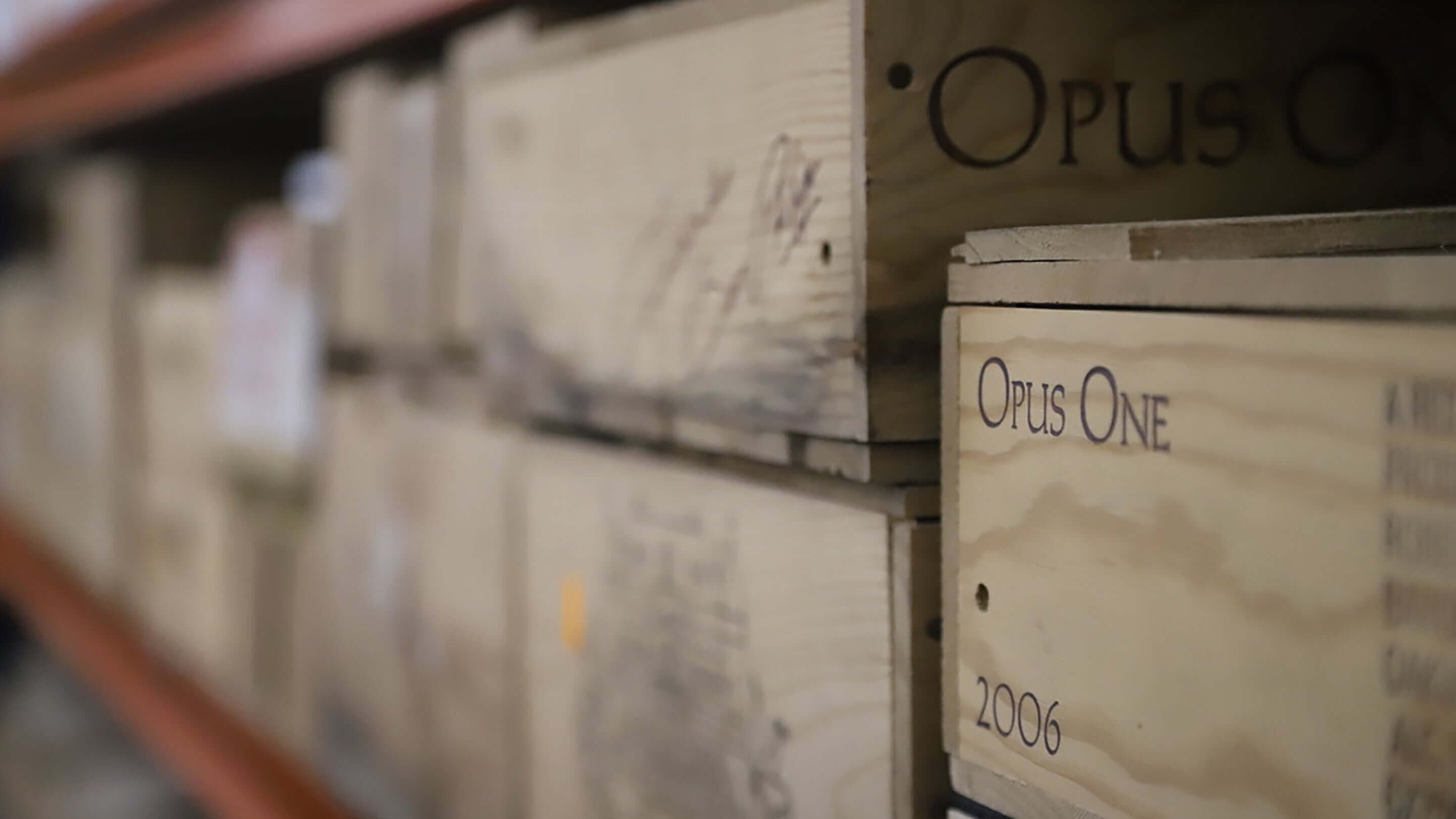
Provenance et conservation du vin : pourquoi c'est plus important que l'étiquette
Deux bouteilles du même vin, même millésime, même producteur. L'une vaut le prix fort du marché. L'autre vaut une fraction — et la différence est invisible sur l'étiquette. La provenance est la différence, et c'est la part du vin fin que les nouveaux collectionneurs sous-estiment le plus.
Ce que la provenance signifie vraiment
La provenance est l'historique documenté d'une bouteille : qui l'a achetée à qui, et — de façon critique — où elle a reposé entre-temps. Un vin qui a suivi le trajet producteur → cave professionnelle → vous possède une provenance parfaite. Un vin qui a transité par une salle des ventes deux fois, une salle à manger privée, et un été au-dessus du réfrigérateur de quelqu'un, c'est une histoire sur laquelle vous pariez.
La chaleur est le tueur silencieux
Le vin veut une température constante de 12–14°C, une bonne hygrométrie, l'obscurité et l'immobilité. Il pardonne les brefs écarts ; il ne pardonne pas un août en Riviera dans un garage. Un vin endommagé par la chaleur a un goût étouffé et plat — et la cruauté est que l'étiquette semble intacte. Au moment où un bouchon qui fuit ou une capsule bombée apparaissent, les dégâts remontent à des années.
Comment les professionnels examinent une bouteille
- Niveau de remplissage (ullage) — dans le goulot est idéal pour un vin jeune ; haut d'épaule sur un Bordeaux de 30 ans est acceptable, mi-épaule est un signal d'alerte.
- Capsule — des signes de fuite, des capsules qui tournent, ou la corrosion suggèrent la chaleur ou un mauvais stockage.
- Étiquette — une étiquette impeccable sur une bouteille censément élevée en cave mérite une question, bien que les bonnes caves préservent remarquablement les étiquettes.
- Bouchon (quand visible) — des bouchons remontés ou enfoncés signalent des variations de température.
- Historique de stockage — la piste documentaire. La question à poser à tout négociant : où cette bouteille a-t-elle séjourné depuis la mise en circulation ? Un bon répond précisément ; un mauvais change de sujet.
L'économie d'une bonne gestion
Le stockage professionnel semble être un luxe jusqu'à ce que vous tarifiez l'alternative. Notre stockage climatisé près d'Antibes coûte 24 € par caisse par an HT, assuré jusqu'à 100 000 €, avec des registres documentés d'entrée et sortie. Une caisse de Bourgogne premier cru ruinée par un été chaud coûte plus que dix ans de stockage adéquat pour cinquante caisses. Et quand vous vendez — ou quand nous achetons votre collection — cet historique de stockage se convertit directement en valeur : une provenance documentée est ce pour laquelle nous, et tout acheteur sérieux, payons le prix fort.
Notre standard
Nous fournissons des yachts dont les propriétaires remarqueront une seule bouteille fatiguée — nous achetons donc directement auprès des producteurs et des négociants établis, stockons en conditions climatisées, et vérifions le niveau, la capsule et l'étiquette sur les bouteilles anciennes avant de les proposer. Quand vous achetez auprès de notre service pour collectionneurs, la question de la provenance est déjà résolue.

